Resin patio seating layouts that make routine cleaning simpler
A patio can look welcoming and still be a chore to maintain. The difference often comes from layout, not scrubbing effort. Chairs, lounges, benches and tables all collect leaves, dust, pollen and rainwater in different ways. When furniture is placed with cleaning in mind, the whole area dries faster, wipes down more easily and stays tidy with less rearranging.
This is especially true with resin outdoor furniture. Resin pieces are often chosen for outdoor use because they can handle moisture exposure and regular surface cleaning, but the way they sit on a patio still matters. A chair tucked under a dense hedge may stay damp for hours. A dining set on a slight slope may hold water in one corner. Low maintenance outdoor chairs work best when air, water and access are part of the original plan.
What a cleaning friendly arrangement really means
A cleaning friendly layout is one that gives you room to reach the surfaces that collect dirt. It does not mean placing everything in a straight line or stripping the patio of comfort. It means avoiding tight pockets where debris settles and making it easy to move a cloth, brush or hose over the seating area.
Think of the patio as a set of zones. Seating needs open space around it. Tables need enough clearance for legs, chair backs and the gaps where crumbs or grit gather. Lounges need airflow beneath and beside them. Benches need a clear path along the front so the seat and slats can be wiped without shifting the whole piece. Commercial patio furnishings follow the same principle, only the traffic is heavier and the cleaning window is usually shorter.
Good arrangement also reduces the amount of contact between furniture and dirty surfaces. If chairs sit directly against soil, mulch or planting beds, splashback can reach the legs and seat edges after rain. If cushions or textile pieces are used, placement near sprinklers can keep them damp longer than expected. Resin frames may be easy to clean, but soft accessories still need sensible positioning.
Leave space where dirt likes to gather
The first practical change is to open up the gaps. Furniture pressed close together creates shaded channels where leaves and moisture collect. Those spots are harder to see and awkward to clean. A modest gap between chairs, tables and walls gives you a route for a cloth or brush and helps the surface dry after rain.
Around a dining set, look at the space under the table as well as the visible seats. Chairs pushed fully under the table can trap grit on the seat and catch on the tabletop edge. A layout that allows chairs to slide out evenly makes surface cleaning quicker and reduces scuffing at contact points.
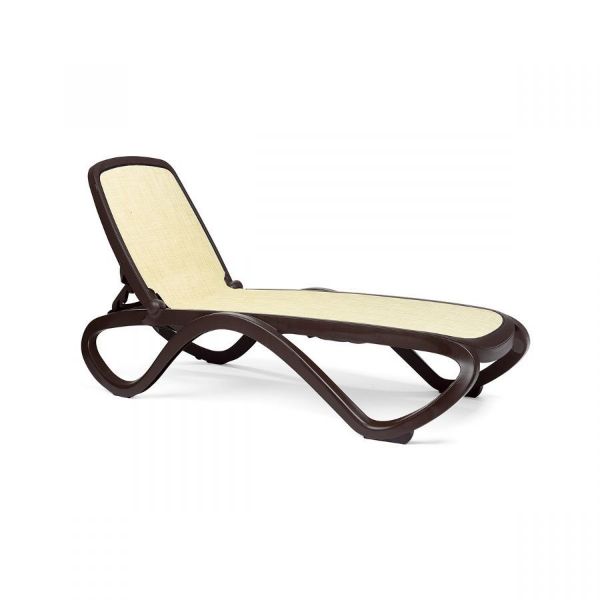
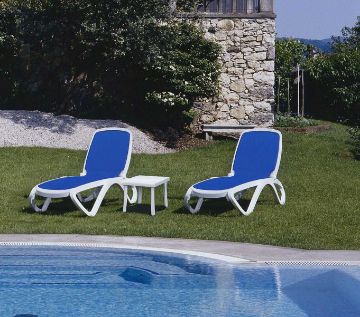
For chaise lounges, avoid lining them up so tightly that water and leaves sit between frames. Leave enough room to walk alongside each lounge. That side access matters when the frame, slats or adjuster areas need attention. It also means wet surfaces have a better chance of drying before the next use.
Benches are often placed against a wall or fence, which can be neat but can also block airflow. If the back of the bench traps moisture, the seating area may stay damp after rain. A small offset from the wall or a position with better air movement can make routine wiping simpler.
Pay attention to drainage and ground surface
Furniture does not clean itself just because it is outdoors. Water has to go somewhere. Patio paving, deck boards and concrete all shed water differently. A slightly uneven surface can leave one chair leg sitting in a shallow puddle, while another area dries quickly. Over time, that repeated dampness can make cleaning more frequent.
Check how water moves across the patio during and after rain. If it runs toward the seating area, the layout may need shifting, or the ground surface may need attention. Resin pieces with drainage holes can shed water more readily, but those openings need to stay clear. A chair seat or tabletop with blocked drainage can hold water long after the rest of the patio is dry.
Furniture feet also deserve a look. Hard or sharp feet can mark decking and collect grit underneath. Smooth feet are easier to move over paving and less likely to catch debris. If a piece rocks, do not assume the problem is the frame. The ground beneath may be uneven. Stabilising the surface is usually a better answer than adding heavy weights or forcing the furniture into position.
Think about sun, shade and drying time
Sun exposure can be helpful because it shortens drying time. It can also make some materials feel hot to the touch and may contribute to fading over longer periods. UV stability varies by product and finish, so placement is a balance between comfort, durability and cleaning convenience.
A patio with mixed shade can use that to advantage. Seating under cover may stay cleaner from bird droppings and falling debris, yet it can also remain damp for longer if air movement is poor. Open areas dry faster after rain but may collect more dust and pollen. The ideal arrangement often uses both, with lounges or chairs placed where they get morning light and protection during the harshest part of the day.
Weather resistance is not just about a chair surviving rain. It is also about how quickly the piece returns to a usable condition. If water sits on a seat, a table edge or a bench slat, cleaning becomes a repeated task. Angled surfaces, open frames and sensible spacing all help. Where protective storage is practical, it can reduce exposure during long wet periods or storms, especially for cushions and smaller accessories.
At outdoor-resin-furniture.com, the focus is on resin outdoor furniture such as chaise lounges, chairs, dining pieces, benches, swings, tables and commercial patio furnishings. That range shows why one layout does not fit every space. A compact balcony, a broad deck and a busy café terrace all place different demands on seating, cleaning access and movement.
Match the layout to the way the space is used
A quiet home patio can prioritise comfort and easy reach. A commercial setting needs clear routes, stable seating and surfaces that can be cleaned between busy periods. In both cases, clutter is the enemy of quick maintenance. Too many pieces in a small area leave no room to wipe around legs or lift loose debris from the ground.
Start with the main activity. If the patio is used for dining, keep the table area clear of decorative items that collect dust and need constant moving. If it is used for lounging, give each seat enough personal space that cushions and towels can be handled without dragging across the ground. If it is used for gatherings, choose chairs that can be stacked, moved or wiped without awkward lifting.
Storage also shapes the arrangement. Cushions, throws and small decor can be kept nearby, but they should not be tucked under seating where moisture and dirt gather. A covered box or a dry indoor spot makes surface cleaning less complicated. When accessories have a home, the furniture itself stays clearer.
Small layout choices that reduce cleaning work
- Keep chair backs away from dense plants where leaves, sap and moisture collect.
- Leave a clear route along benches and lounges so seats and frames can be reached from the side.
- Place dining chairs where they can slide out without scraping paving or catching on table edges.
- Check that drainage holes and open frame areas remain unobstructed after furniture is positioned.
- Avoid low spots where water runs toward seating after rain.
These choices sound simple, and they are. Their value comes from repetition. A few inches of extra space can turn a frustrating clean into a quick pass with a cloth. A small shift away from a sprinkler line can stop cushions from staying damp. A clear path around a table can prevent grit from being ground into high touch areas.
What this means for low maintenance outdoor chairs
Low maintenance outdoor chairs are not only about the material they are made from. Resin seating can be practical, but the surrounding layout decides how much dirt reaches it and how easily it can be cleaned. Chairs placed with airflow, drainage and access in mind tend to need less fuss than chairs squeezed into corners or left under heavy shade.
The same applies to the rest of the setting. Dining pieces, benches, chaise lounges and tables all benefit from an arrangement that lets water drain and surfaces dry. Material durability matters, but so does the daily pattern of use. A chair that is easy to pull out and wipe is more likely to stay tidy than one hidden behind a table or pressed against a planting bed.

Before rearranging everything at once, watch how the space behaves after rain and after normal use. Notice where leaves settle, where puddles linger and where people naturally walk. Then adjust the furniture around those patterns. A layout that respects the patio and the way it is used will make cleaning feel like a short routine rather than a recurring project.
For an online store offering resin outdoor furniture, the practical message is straightforward: the right seating is only part of an easy care outdoor space. Placement, spacing and drainage complete the picture. With those details handled, resin chairs and matching pieces can stay ready for use with far less effort.
outdoor-resin-furniture.com fits into that discussion as a source of resin outdoor furniture for patios, dining areas and commercial settings. The broader point remains the same for any outdoor space. Choose seating that suits the setting, then arrange it so water moves away, air can circulate and every surface can be reached without a struggle.